
.png)
What is Lower Backpain?
It is a common condition caused by pain in the lower part area of the back, between the ribs and pelvis. It can be caused by muscle strain, disc problems, spinal abnormalities, degenerative conditions, sciatica, kidney problems, or inflammatory disorders. The pain can range from mild to severe and may be acute or chronic. The treatment options depend on the underlying cause and may include rest, medication, physical therapy, and lifestyle adjustments. If the pain persists or worsens, a medical evaluation is necessary to determine the appropriate course of action.

Causes of lower back pain
Lower back pain can have various causes. Some of the most common include:1. Muscle or ligament strain: Overstretching or injuring the muscles and ligaments in the lower back due to improper lifting, sudden movements, or poor posture.
2. Disc problems: Intervertebral discs between the vertebrae can degenerate, herniate, or bulge, putting pressure on the spinal nerves and causing pain.
3. Spinal abnormalities: Spinal abnormalities such as spinal stenosis, spondylolisthesis, or scoliosis can cause intense lower back pain.
4. Degenerative conditions: Age-related changes, such as osteoarthritis, can affect the spine and contribute to pain.
5. Sciatica: Sciatica occurs when the sciatic nerve, which extends from the lower back to the legs, becomes compressed or irritated, resulting in discomfort, tingling sensations, and numbness in the back and legs.
6. Infections or inflammatory conditions: Infections of the spine, such as osteomyelitis, or inflammatory disorders like ankylosing spondylitis, can lead to lower back pain.
7. Kidney problems: Issues with the kidneys, such as kidney stones or infections, can cause pain in the lower back.
8. Inactivity or weak core muscles: Lack of physical activity or weak abdominal and back muscles can lead to instability and lower back pain.
9. Obesity: Excess body weight can put added strain on the lower back, leading to discomfort and pain.
10. Psychological factors: Stress, anxiety, and depression can contribute to or exacerbate lower back pain.
Why Lower Backpain is common?
Lower back pain is a prevalent condition due to a combination of lifestyle factors, anatomical considerations, and other contributing factors. Some of the reasons why lower back pain is so common include:
1. Sedentary lifestyle: Modern lifestyles often involve long hours of sitting, whether it's at a desk, in front of a computer, or while watching television. Prolonged sitting can lead to weak core muscles and poor posture, both of which contribute to lower back pain.
2. Lack of exercise: Insufficient physical activity can lead to weakened back and abdominal muscles, making the lower back more susceptible to strain and injury.
3. Poor posture: Incorrect posture while sitting, standing, or lifting can put added stress on the lower back, leading to pain and discomfort.
4. Overweight and obesity: Excess body weight places additional strain on the lower back, increasing the likelihood of pain and musculoskeletal issues.
5. Age-related changes: As individuals grow older, the intervertebral discs in their spine have a tendency to degenerate. Consequently, this can result in various conditions, including disc herniation and spinal stenosis. Ultimately, these issues often result in the experience of lower back pain.
6. Lack of ergonomic support: Inadequate support in chairs, mattresses, and other furniture can lead to poor spinal alignment and contribute to lower back pain.
7. Inactivity during recovery: Rest is essential for healing after an injury, but prolonged bed rest or inactivity can weaken the muscles further and delay recovery.
8. Smoking: Studies indicate that smoking can negatively impact blood circulation to the spinal tissues, thus impeding the healing process and potentially heightening the likelihood of experiencing lower back pain.
Symptoms of lower back pain
Symptoms of lower back pain can vary in intensity and presentation depending on the underlying cause and the individual. Some common symptoms associated with lower back pain include:1. Pain: Dull, aching, or sharp pain in the lower back region. The pain may be localized or radiate to the buttocks, hips, or legs.
2. Muscle stiffness: A feeling of tightness or reduced flexibility in the lower back muscles.
3. Limited range of motion: Difficulty in bending, twisting, or performing certain movements due to pain or stiffness.
4. Numbness and tingling: Numbness and tingling sensations can sometimes accompany lower back pain, causing an uncomfortable pins-and-needles feeling in the back, buttocks, or legs. This can be indicative of nerve involvement, such as sciatica.
5. Weakness: Weakening of the leg muscles or difficulties with balance and coordination may occur if the lower back pain is affecting nerve function.
6. Pain worsens with activity: Lower back pain might intensify with certain movements, such as lifting, bending, or sitting for extended periods.
7. Pain relief with rest: Many individuals find that their lower back pain eases when they lie down or change positions.
8. Inability to stand straight: Severe lower back pain can make it challenging to maintain an upright posture.
9. Pain at night: Lower back pain may worsen during the night, affecting sleep quality.
10. Pain after prolonged sitting or standing: Discomfort may be triggered or aggravated after sitting or standing for extended periods.
10. Pain after prolonged sitting or standing: Discomfort may be triggered or aggravated after sitting or standing for extended periods.
Here are 8 effective ways to avoid back pain:
1. Maintain Good Posture: Practice proper posture while sitting, standing, and walking. Keep your shoulders back, chest lifted, and avoid slouching to reduce stress on your spine.

2. Exercise Regularly: Engage in regular physical activity to strengthen your core muscles and back, which provide support to your spine. Activities like walking, swimming, and yoga are beneficial for back health.
3. Lift Properly: When lifting heavy objects, bend your knees and keep your back straight. Hold the object close to your body and use your leg muscles to lift it, rather than relying on your back.
4. Avoid Prolonged Sitting: Take breaks from sitting for long periods. Stand up, stretch, and walk around to relieve pressure on your back and improve circulation.
5. Maintain a Healthy Weight: Excess weight puts additional stress on your spine, increasing the risk of back pain. Maintaining a healthy weight through a balanced diet and regular exercise can alleviate this strain.
6. Use Ergonomic Furniture: Ensure your workplace and home furniture (chairs, desks, and mattresses) are ergonomic and provide proper support for your back.
7. Warm-Up Before Physical Activity: It is essential to warm up your muscles with light stretching before you begin any intense physical activity or exercise. This is crucial in order to minimize the chances of strains and injuries.
8. Manage Stress: Chronic stress can cause muscle tension and contribute to back pain. Practice relaxation techniques, such as deep breathing, meditation, or hobbies, to manage stress effectively.
Exercise to avoid Lower Back Pain
Here are some general exercises to help improve back health and potentially alleviate lower back pain:1. Pelvic Lifts:

- Lie on your back with your knees bent and feet flat on the floor.
- Gently tilt your pelvis upward, flattening your lower back against the floor.
- Hold for a few seconds, then release and let your lower back arch slightly.
- Perform 10-15 repetitions.
2. Partial Crunches:
- Lie on your back with your knees bent and feet flat on the floor.
- Place your hands behind your head, and tighten your abdominal muscles.
- Lift your head, shoulders, and upper back off the floor while keeping your lower back on the ground.
- Lower back down slowly.
- Do 10-15 repetitions.
3. Cat-Cow Stretch:
- Start on your hands and knees in a tabletop position.
- Inhale as you arch your back, lifting your head and tailbone (Cow position).
- Exhale as you round your back, tucking your chin and tailbone (Cat position).
- Repeat for 10-15 repetitions.
4. Child's Pose:
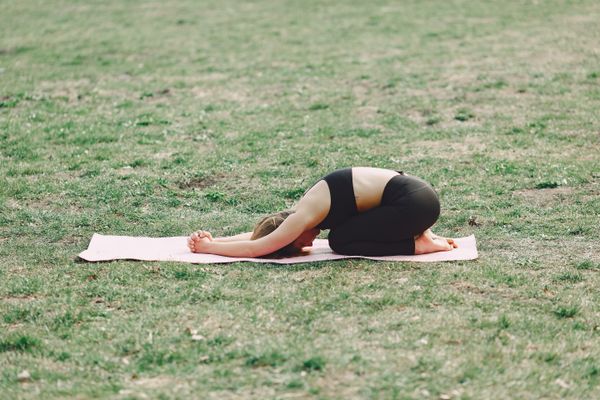
- Begin on your hands and knees, then sit back on your heels, reaching your arms forward on the floor.
- Lower your chest towards the floor while keeping your arms extended.
- Hold the stretch for 20-30 seconds, breathing deeply.
5. Bridge Exercise:
- Lie on your back with your knees bent and feet flat on the floor, hip-width apart.
- Tighten your abdominal muscles, squeeze your glutes, and lift your hips off the floor until your shoulders, hips, and knees form a straight line.
- Hold for a few seconds, then lower your hips back to the floor.
- Perform 10-15 repetitions.
6. Hamstring Stretch:

- Lie on your back with one leg extended and the other leg bent.
- Loop a towel or strap around the ball of your bent foot, and gently straighten your knee until you feel a stretch in the back of your thigh.
- Hold the stretch for 20-30 seconds on each leg.
7. Piriformis Stretch:
- Lie on your back with both knees bent.
- Cross one ankle over the opposite knee and gently pull the uncrossed leg towards your chest until you feel a stretch in your buttocks.
- Hold for 20-30 seconds on each side.
Yoga Poses to Relieve Lower Back Pain
Here are five yoga poses to relieve lower back pain with brief descriptions of each method:1. Child's Pose (Balasana):
Method:
Start on your hands and knees, then sit back on your heels while stretching your arms forward. Lower your chest towards the floor, keeping your forehead on the mat. Hold the pose, breathe deeply, and feel the stretch in your lower back.
2. Cat-Cow Pose (Marjaryasana/Bitilasana):
Start on your hands and knees, then sit back on your heels while stretching your arms forward. Lower your chest towards the floor, keeping your forehead on the mat. Hold the pose, breathe deeply, and feel the stretch in your lower back.
2. Cat-Cow Pose (Marjaryasana/Bitilasana):
Method:
Start on your hands and knees. Inhale as you arch your back, lifting your head and tailbone (Cow Pose). Exhale as you round your back, tucking your chin and tailbone (Cat Pose). Repeat the flow slowly, gently massaging and stretching the lower back.
3. Downward Dog (Adho Mukha Svanasana):
Start on your hands and knees. Inhale as you arch your back, lifting your head and tailbone (Cow Pose). Exhale as you round your back, tucking your chin and tailbone (Cat Pose). Repeat the flow slowly, gently massaging and stretching the lower back.
3. Downward Dog (Adho Mukha Svanasana):

Method:
Begin on your hands and knees. Lift your hips, straightening your legs and arms, forming an inverted "V" shape. Press your heels towards the floor and lengthen your spine, easing tension in the lower back.
4. Sphinx Pose (Salamba Bhujangasana):
Begin on your hands and knees. Lift your hips, straightening your legs and arms, forming an inverted "V" shape. Press your heels towards the floor and lengthen your spine, easing tension in the lower back.
4. Sphinx Pose (Salamba Bhujangasana):
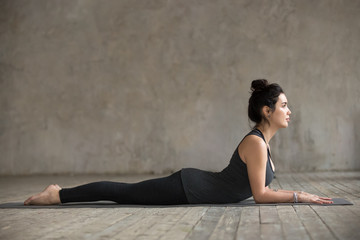
Method:
Lie on your belly, placing your forearms on the mat with elbows under your shoulders. Lift your upper body, arching your back gently. This pose stretches the lower back and strengthens the spine.
5. Supine Twist (Supta Matsyendrasana):
Lie on your belly, placing your forearms on the mat with elbows under your shoulders. Lift your upper body, arching your back gently. This pose stretches the lower back and strengthens the spine.
5. Supine Twist (Supta Matsyendrasana):
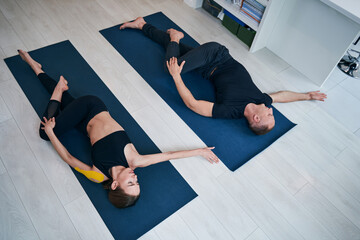
Method:
Lie on your back with arms outstretched. Bring one knee towards your chest, then gently lower it across the opposite side of your body, twisting your spine. Hold the stretch for a few breaths, then switch sides.
Here are sleeping positions to avoid lower back pain with brief descriptions in bullet points:
1. Sleeping on your back:
Method:
Lie on your back with arms outstretched. Bring one knee towards your chest, then gently lower it across the opposite side of your body, twisting your spine. Hold the stretch for a few breaths, then switch sides.
Best Sleeping Position For Lower Back Pain
1. Sleeping on your back:
Method:
Use a medium-firm mattress and a small pillow to support your neck. Place a pillow under your knees to maintain the natural curve of your lower back.
2. Sleeping on your side:
2. Sleeping on your side:
Method:
Use a firm mattress and a thicker pillow to keep your head and neck aligned. Place a pillow between your knees to reduce pressure on your lower back.
3. Fetal position:
Method:
3. Fetal position:
Method:
Curl up on your side with your knees drawn toward your chest. Use a medium-firm mattress and a thicker pillow to support your head and neck.
4. Avoid sleeping on your stomach:
Method:
Method:
Sleeping on your stomach can strain your neck and lower back. If you prefer this position, use a thin pillow or none at all to keep your head and neck aligned.
5. Experiment with pillows and supports:
Method:
It is essential to warm up your muscles with light stretching before you begin any intense physical activity or exercise. This is crucial in order to minimize the chances of strains and injuries.
5. Experiment with pillows and supports:
Method:
It is essential to warm up your muscles with light stretching before you begin any intense physical activity or exercise. This is crucial in order to minimize the chances of strains and injuries.
6. Maintain proper alignment:
Method:
Method:
Regardless of the sleeping position, aim to keep your spine in a neutral position and avoid any extreme twists or bends.
Conclusion
In summary, addressing lower back pain involves a multifaceted approach. Medical options like therapy and medication, coupled with exercises that strengthen the back and improve posture, form the foundation. Maintaining a healthy weight, managing stress, and adopting ergonomic habits also contribute. Alternative therapies like acupuncture and massage can offer relief, while proper sleep, hydration, and movement prevent exacerbation. Ultimately, a personalized strategy combining these elements, guided by medical advice, tends to yield the most effective and lasting results in managing lower back pain.Frequently Asked Question
Q1. Can stretching exercises relieve lower back pain at home?
Ans: Yes, gentle stretching can help improve flexibility and reduce muscle tension, relieving lower back pain. Consult a healthcare professional for guidance on specific stretches that are safe and effective.
Q2. Is heat or ice more effective for treating lower back pain?
Ans: Both can be effective, but heat therapy is generally more beneficial for chronic back pain. Applying a heating pad or taking a warm bath can help relax muscles and improve blood flow, reducing discomfort.
Q3. Are over-the-counter pain relievers recommended for lower back pain?
Ans: Non-prescription pain relievers like acetaminophen or ibuprofen can help alleviate mild to moderate lower back pain temporarily. However, consult a healthcare professional for guidance and to discuss any potential side effects or contraindications.
Q4. Can maintaining proper posture help relieve lower back pain?
Ans: Yes, maintaining good posture while sitting and standing can help prevent and alleviate lower back pain. Avoid slouching and use ergonomic chairs or cushions for added support. Regularly stretching and strengthening core muscles can also contribute to better posture.
Q5. Are there any lifestyle changes that can improve lower back pain?
Ans. Yes, certain lifestyle changes can help manage and prevent lower back pain. To decrease lower back pain and enhance the health of your spine, it is essential to maintain a healthy weight, exercise regularly, quit smoking, and practice correct body mechanics, such as lifting heavy objects with care.
.png)